
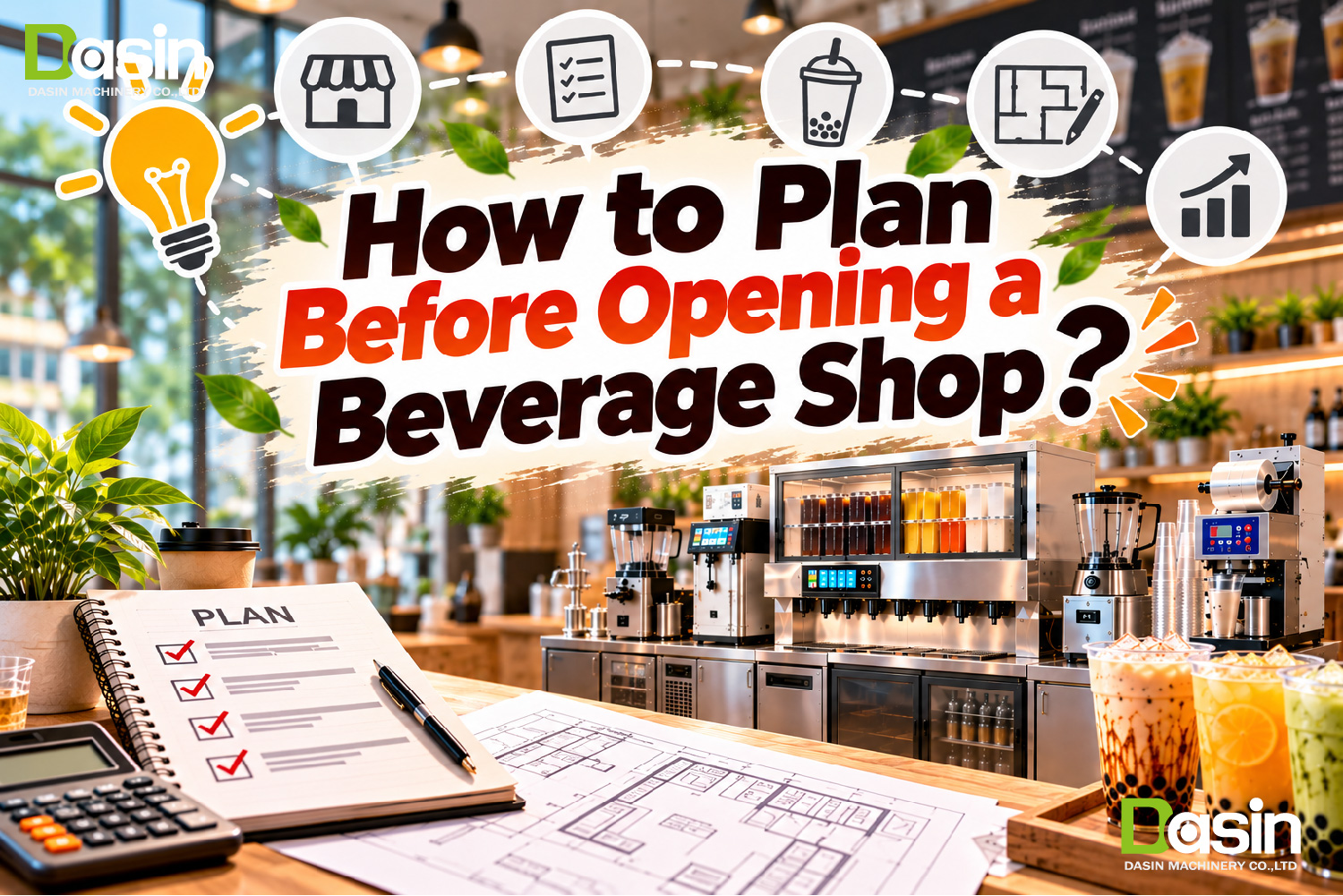
How to Plan Before Opening a Beverage Shop?
From the initial idea to official operations, organize everything that needs to be confirmed step by step.
Preparing to open a beverage shop is not simply about knowing what equipment is available.
The real challenge is that once preparation begins, you will discover that many decisions are connected to one another.
If the store location has not been confirmed, it is difficult to determine the appropriate equipment dimensions.
If the menu has not been finalized, it is difficult to estimate ingredient and equipment requirements.
If the equipment has not been confirmed, it may also affect the counter layout, electrical system, water supply, and drainage configuration.
Therefore, one of the most important things to do before opening a shop is not to handle everything at once, but to confirm each item step by step according to the actual needs of the business.
Automatic Tea Brewer, Commercial Tea Beverage Equipment, Beverage Shop Equipment Integration, Smart Food Machinery, Bubble Tea Shop Startup Solution, Beverage Franchise System, Smart Store Opening System, One-Stop Store Opening Service, Tea Beverage Automation, Foodservice SOP Standardization, Automatic Tea Cooking Equipment, Chain Tea Shop Standardized Workflow, Bubble Tea Multi-Store Management System, Reduce Beverage Shop Labor Costs, Shorten Store Opening Preparation Time, Reduce Foodservice Trial-and-Error Costs, Tea Brewer Parameter Setup Training, Cloud Equipment Monitoring Management, 2026 Bubble Tea Startup Trends, Chain Bubble Tea Equipment Recommendation
How to Plan Before Opening a Beverage Shop?
From the initial idea to official operations, organize everything that needs to be confirmed step by step.
Preparing to open a beverage shop is not simply about knowing what equipment is available.
The real challenge is that once preparation begins, you will discover that many decisions are connected to one another.
If the store location has not been confirmed, it is difficult to determine the appropriate equipment dimensions.
If the menu has not been finalized, it is difficult to estimate ingredient and equipment requirements.
If the equipment has not been confirmed, it may also affect the counter layout, electrical system, water supply, and drainage configuration.
Therefore, one of the most important things to do before opening a shop is not to handle everything at once, but to confirm each item step by step according to the actual needs of the business.
1. First, Decide What Kind of Beverage Shop You Want to Open
The first step in planning a new beverage shop is not choosing equipment.
It is deciding what type of store you want to operate.
For example:
● Will it be a small takeout-focused beverage shop, or a store with dine-in seating?
● Are your main customers local residents, students, office workers, or tourists?
● How long do you plan to operate each day?
● When are your expected peak hours?
All of these factors will affect your menu, space planning, equipment, and staffing arrangements.
If you have not clearly defined your store type from the beginning, many of the following decisions may need to be changed repeatedly.
2. Define the Direction of Your Menu First
Once the store type has been determined, you can begin organizing your beverage menu.
You do not need to finalize every detail immediately, but you should at least have a clear idea of the main types of beverages your shop will sell.
For example:
● Pure tea, milk tea, fruit tea, juice beverages, or other mixed beverages.
● Different beverages require different ingredients and may involve different preparation processes.
● If tea beverages are the main products, special attention should be given to tea brewing and tea storage management.
● If fruit beverages represent a large portion of the menu, fruit preparation and juice extraction requirements may also need to be considered.
Therefore, the menu does not simply determine “what you sell.”
It also directly affects your equipment requirements and workspace planning.
3. Estimate How Many Drinks You May Need to Produce Each Day
Once the general menu direction has been established, you can begin estimating the expected number of cups.
You do not need extremely precise numbers at the beginning, but you should establish a reasonable estimate.
For example:
● Will weekdays and weekends be different?
● How many orders might occur during peak hours?
● Approximately how many cups will need to be produced each day?
These figures will affect tea production volume, refrigerated ingredient requirements, equipment capacity, and staffing.
When selecting equipment, it is especially important not to look only at the average number of cups per day.
You should also consider whether order volume may suddenly increase during peak periods.
4. Confirm the Store Conditions Before Planning the Equipment
Once you have a basic understanding of your store type, menu, and expected cup volume, you can start looking at the actual store conditions.
At this stage, you need to consider more than just the floor area.
You should also confirm:
● Where can the equipment be installed?
● Is the electrical capacity sufficient?
● Are water supply and drainage convenient?
● Is there enough space for employees to operate the equipment?
● Can refrigeration equipment, tea brewing equipment, and the beverage preparation area work together smoothly?
If these conditions are not confirmed in advance, you may discover after purchasing the equipment that it does not fit properly or that additional construction is required.
This can result in unnecessary additional costs.
5. Don't Rush to Purchase All the Equipment at Once
More equipment does not necessarily mean a better beverage shop.
Before opening, it can be useful to divide equipment into two categories:
“Equipment that is necessary for current operations”
and
“Equipment that can be added when future needs arise.”
For example:
If tea beverages are the main products, you can first determine whether the tea brewing equipment meets your production capacity and operating requirements.
If the shop needs to manage a large amount of liquid ingredients, you can then evaluate suitable refrigeration and ingredient management equipment.
This allows limited startup funds to be invested in the areas that are truly important.
It also reduces the risk of creating unnecessary pressure on both space and budget by purchasing too much equipment at the beginning.
6. After Confirming the Equipment, Review the Workflow Again
Equipment should not simply be placed wherever there happens to be available space.
Once the shop begins operating, employees will repeat the same actions continuously throughout the day.
If the tea brewing area is too far from the beverage preparation area, tea will need to be transported repeatedly.
If ingredients are stored in an inconvenient location, employees will need to make unnecessary trips while preparing drinks.
If the sealing and pickup areas are poorly arranged, peak-hour efficiency may also be affected.
Therefore, after confirming the equipment, it is worth imagining the actual daily workflow again:
“How will employees work throughout the day?”
This question is often more important than simply asking:
“Can the equipment fit here?”
7. Confirm Electrical, Water, and Drainage Requirements Together with the Equipment
Electrical and utility planning is another area that can easily be overlooked before opening a beverage shop.
Different machines may have different electrical requirements.
Some equipment may also require specific water supply, drainage, or other installation conditions.
Therefore, it is not recommended to wait until all equipment has been purchased before dealing with these issues.
A better approach is to confirm the relevant conditions during the equipment planning stage.
This allows the store renovation and equipment requirements to be coordinated with each other.
It can also help prevent unexpected additional construction work before opening.
8. Review the Startup Budget Again
At this stage, you can reorganize your estimated startup costs.
Do not calculate equipment costs alone.
Instead, consider all of the following together:
● Store-related expenses
● Renovation and construction
● Equipment
● Initial ingredients
● Packaging materials
● Working capital for operations after opening
If the budget exceeds the original plan, you can review:
● Which items are absolutely necessary right now?
● Which equipment can be added later?
● Which renovation items can be adjusted?
This is generally better than waiting until the final stage and simply removing important equipment from the plan.
9. After Confirming the Equipment, Also Confirm How It Will Be Used and Maintained
Purchasing and installing the equipment does not mean the planning process is finished.
Before officially opening, the employees who will actually operate the equipment should understand the basic operating procedures.
This is especially important for equipment used every day, including tea brewing, refrigeration, ingredient management, and beverage preparation equipment.
Employees should understand the correct operating and cleaning procedures.
This helps reduce the risk of unfamiliarity with the equipment affecting work efficiency after the shop officially opens.
If you plan to expand to additional locations in the future, this is also a good stage to begin organizing more standardized operating procedures, making future training easier.
10. Conduct a Complete Test Before Officially Opening
After all equipment has been installed, it is not recommended to wait until the first official business day to use everything for the first time.
Before opening, allow the actual employees to go through a complete daily workflow.
Confirm whether the connections between different pieces of equipment, the operating sequence, and the employee workflow are smooth.
During the test, observe:
● Is the operation convenient?
● Do any pieces of equipment interfere with each other?
● Do employees understand what to do at each step?
● If multiple orders arrive during peak hours, can the workflow still operate smoothly?
If problems are discovered during testing, there is usually still time to adjust equipment locations or operating procedures.
This is much easier than discovering the problems after the store has officially opened.
11. If You Plan to Expand, Start Building Standards from the First Store
If you are only operating one store, the main goal may simply be to make daily operations run smoothly.
However, if you plan to open additional locations in the future, it is worth thinking one step ahead.
For example:
● Can the tea brewing process be replicated?
● Can the equipment configuration maintain a similar standard?
● Is employee training easy to implement?
● Can the ingredient management system be extended to other locations?
These things do not necessarily need to be completely standardized at the first store.
However, you can begin collecting experience from the first location.
When planning the second or third store, you will not need to start the entire process from scratch.
12. Before Opening, Review the Entire Plan One More Time
Once the store, menu, equipment, and budget have been generally confirmed, take another look at the entire store from an operational perspective.
Do not only check whether each piece of equipment is functioning properly.
Instead, consider whether the overall workflow makes sense.
For example:
● Can the tea brewing process meet demand?
● Are tea and ingredients easy to manage?
● Are ingredients easy to access during beverage preparation?
● Are sealing and pickup processes smooth?
● Is the equipment easy to clean?
● Can the shop handle peak-hour demand?
● Can employees operate the equipment easily?
If most of these questions have reasonable answers, it means the previous planning is beginning to take shape.
Conclusion | Planning Before Opening Means Solving Problems Before They Happen
Opening a beverage shop is not simply a matter of renting a location and purchasing all the equipment.
Real store planning means confirming the store type, menu, expected cup volume, space, equipment, budget, staffing, and operating methods one by one, and then making sure these elements work together.
Some planning may take time in the beginning.
However, these preparations are essentially about identifying potential problems before the store officially opens.
Equipment purchasing is especially important.
There is no need to make the equipment setup as complete as possible from day one.
Instead, choose equipment based on current operational needs and make sure the equipment can properly integrate into the workflow.
As the store develops and the operating model becomes clearer, equipment can then be adjusted or expanded according to actual operating results.
Spending more time planning before opening can often make costs easier to control and help establish a more stable workflow than continuously making changes after the store has already opened.
If you plan to expand to additional locations in the future, the equipment configuration, operating methods, and workflow developed in the first store can also become an important reference for future locations.
Good store planning is not about doing the most from the beginning.
It is about making sure the most important things have been properly considered before opening.
Dasin Machinery | Complete Beverage Shop Setup Solutions
Starting from beverage production equipment, we help plan suitable equipment configurations according to your store type and operational requirements.
- 關聯產品
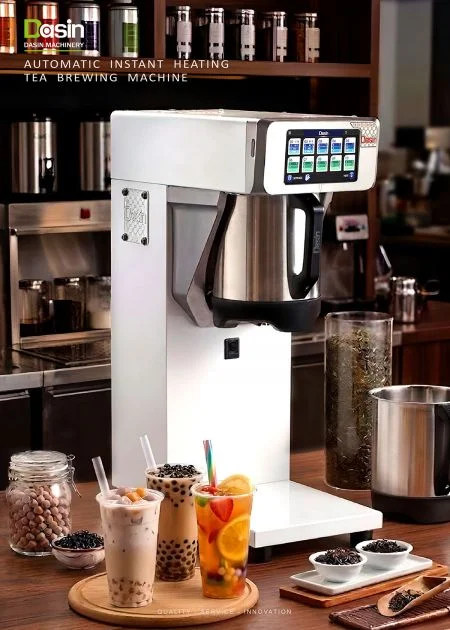
ST300 Automatic Instant Heating Tea Brewing Machine Wi-Fi
ST300 Wi-Fi
It is designed to make brewing tea efficient with a smart tablet interface that's easy to use. The design includes a vortex-style mixing system, which...
Details Add to List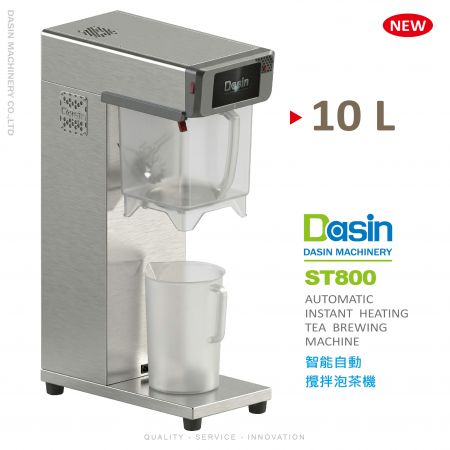
ST800 Automatic Instant Heating Tea Brewing Machine
ST800
It is designed to make brewing tea efficient with a smart tablet interface that's easy to use. The design includes a vortex-style mixing system, which...
Details Add to List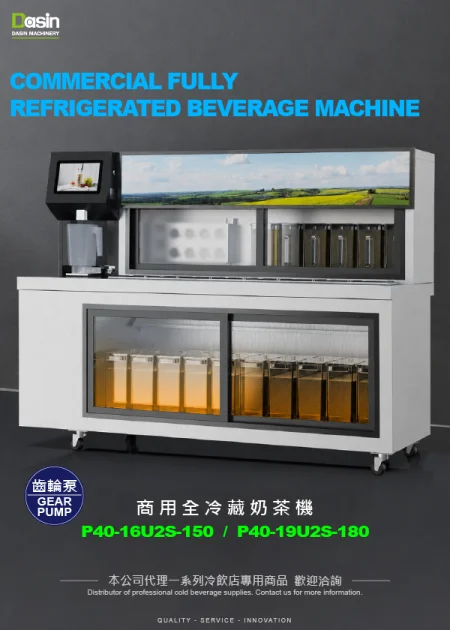
Commercial Fully Refrigerated Beverage Machine
P40-16U2S-150 / P40-19U2S-180
Effortless Operations: Our One-Touch Dispensing system is so intuitive that new staff can master it in seconds. With customizable presets and a precision...
Details Add to List