
How Much Does It Cost to Open a Beverage Shop?
From Equipment and Renovation to Working Capital, Understand the Costs You Need to Prepare Before Opening
When preparing to open a beverage shop, one of the first questions many people ask is:
"How much does it actually cost to open a beverage shop?"
However, there is no fixed answer that applies to every store.
A small takeaway shop, a store in a busy commercial district, a shopping mall kiosk, or a more complete beverage shop can all have very different startup costs.
Rent, renovation conditions, equipment requirements, menu options, and expected beverage volume can all affect the final cost.
Therefore, instead of simply asking "How much money do I need?", it is more important to understand:
Where will the money be spent?
Which costs are necessary before opening?
Which costs can be adjusted according to the store type and actual needs?
Automatic Tea Brewer, Commercial Tea Beverage Equipment, Beverage Shop Equipment Integration, Smart Food Machinery, Bubble Tea Shop Startup Solution, Beverage Franchise System, Smart Store Opening System, One-Stop Store Opening Service, Tea Beverage Automation, Foodservice SOP Standardization, Automatic Tea Cooking Equipment, Chain Tea Shop Standardized Workflow, Bubble Tea Multi-Store Management System, Reduce Beverage Shop Labor Costs, Shorten Store Opening Preparation Time, Reduce Foodservice Trial-and-Error Costs, Tea Brewer Parameter Setup Training, Cloud Equipment Monitoring Management, 2026 Bubble Tea Startup Trends, Chain Bubble Tea Equipment Recommendation
How Much Does It Cost to Open a Beverage Shop?
From Equipment and Renovation to Working Capital, Understand the Costs You Need to Prepare Before Opening
When preparing to open a beverage shop, one of the first questions many people ask is:
"How much does it actually cost to open a beverage shop?"
However, there is no fixed answer that applies to every store.
A small takeaway shop, a store in a busy commercial district, a shopping mall kiosk, or a more complete beverage shop can all have very different startup costs.
Rent, renovation conditions, equipment requirements, menu options, and expected beverage volume can all affect the final cost.
Therefore, instead of simply asking "How much money do I need?", it is more important to understand:
Where will the money be spent?
Which costs are necessary before opening?
Which costs can be adjusted according to the store type and actual needs?
1. Opening Costs Are Not Just Equipment Costs
When opening a beverage shop for the first time, it is easy to focus mainly on equipment prices.
For example, how much does the tea brewing equipment cost?
How much does the cup sealing machine cost?
How much does the refrigerator cost?
After adding these equipment prices together, it may seem like you have a rough idea of the total startup cost.
However, equipment is only one part of the total opening cost.
In addition to equipment, you may also need to consider:
✔ Store rent and deposit
✔ Renovation and electrical/plumbing work
✔ Beverage shop equipment
✔ Signage and storefront design
✔ Ingredients and packaging materials
✔ Licenses and other opening-related expenses
✔ Working capital for the initial operating period
Therefore, the real question is not simply "How much do the machines cost?"
It is how much money you need from the moment you rent the store until the business is fully operating.
2. Store Costs Should Be Confirmed First
If you are renting a store, rent will usually have a direct impact on your initial funding requirements.
In addition to monthly rent, you may also need to pay a security deposit, agency fees, contract-related costs, and other expenses.
These costs can vary significantly depending on the location, commercial district, and store conditions, so it is difficult to provide one fixed figure for every beverage shop.
For example:
A store of the same size may have very different rental costs depending on whether it is located in a residential area, commercial district, or a high-traffic main road.
When estimating your startup budget, you should first confirm:
● How much is the monthly rent?
● How much is the security deposit?
● Are there any other rental-related expenses?
Once the store-related costs are confirmed, you can more accurately estimate the renovation and equipment budget.
3. Renovation Costs Depend on the Type of Store You Want to Open
Beverage shop renovation costs also vary widely.
Some takeaway-focused shops may only require a basic counter, signage, plumbing, electrical work, and a functional workspace.
Other stores may require a complete storefront design, seating areas, lighting, air conditioning, and additional renovation work.
Therefore, renovation costs should not be estimated simply by asking how much they cost per square meter.
You should also consider:
● What condition is the store currently in?
● Does the electrical system need to be redesigned?
● Does the drainage system need to be modified?
● Does the counter need to be rebuilt?
● What water, drainage, and electrical requirements do the equipment need?
If these requirements are not planned together in the early stage, additional costs may arise later.
4. Equipment Budget Should Start With Your Store Type and Menu
Beverage shop equipment is an important part of the opening budget, but this does not mean that buying more equipment is always better.
Equipment should be selected according to the store type, menu, expected beverage volume, and actual workflow.
For example:
For a tea-focused beverage shop, tea brewing equipment is usually one of the key equipment categories.
If the store needs to produce large quantities of tea every day, an Automatic Instant Heating Tea Brewing Machine can be evaluated according to actual production requirements.
If the store needs to manage a large number of liquid ingredients, a Commercial Fully Refrigerated Beverage Machine can also be considered.
In addition, the store may require refrigeration equipment, cup sealing equipment, worktables, and other equipment needed for daily operations.
Therefore, the equipment budget should not simply copy another store's equipment list.
Instead, each piece of equipment should be evaluated according to your own menu and workflow.
5. Do Not Look Only at the Purchase Price of the Equipment
The equipment budget should include more than the equipment itself.
You should also consider costs related to bringing the equipment into operation.
For example:
● Installation
● Transportation
● Electrical configuration
● Water supply and drainage work
● Consumables
● Future maintenance
Not every piece of equipment will require all of these items.
However, completely ignoring them during the initial budget planning can cause the actual cost to exceed the original estimate.
Therefore, when asking about equipment prices, you should also confirm the installation requirements and whether any additional supporting work is necessary.
6. Ingredients and Packaging Are Also Necessary Startup Costs
Before a beverage shop officially opens, the first batch of ingredients usually needs to be prepared.
For example:
Tea leaves, sugar, milk products, juices, toppings, and other ingredients.
You will also need:
Cups, lids, straws, sealing film, takeaway bags, and other packaging materials.
Each individual item may not seem particularly expensive, but preparing everything before opening can still create a significant expense that needs to be included in the budget.
Ingredient costs can also vary greatly depending on the type of beverages you offer.
Therefore, it is better to estimate these costs according to your own menu rather than simply using someone else's figures.
7. You Do Not Necessarily Need to Buy the Largest Equipment From the Beginning
A common question for first-time store owners is:
"Since I am opening a store anyway, should I buy the best and largest equipment from the beginning?"
Not necessarily.
If the current store type, expected beverage volume, and available space do not require large-scale equipment, oversized equipment may not provide corresponding benefits.
Instead, it may increase:
☛ Initial investment
☛ Space requirements
☛ Cleaning and maintenance work
☛ The possibility of equipment being underutilized
Therefore, the equipment budget should match actual operating needs.
If you expect beverage volume to increase or plan to open additional stores in the future, you can consider future expansion during the initial planning stage instead of simply buying the largest equipment available.
8. Working Capital After Opening Is Often Overlooked
This is one of the most important parts of estimating the total opening cost.
Many people spend most of their budget on:
The store, renovation, and equipment.
Then, after officially opening, they realize that there are still regular monthly expenses.
For example:
Rent, employee salaries, utilities, ingredients, packaging, equipment maintenance, marketing, and other operating expenses.
When a new store first opens, sales may not immediately reach the expected level.
Therefore, your startup budget should not only calculate:
"How much will I spend before opening?"
You also need to consider:
"How much money will I still have available to support daily operations after opening?"
This remaining working capital is an important part of preparing to open a store.
9. Divide the Budget Into Several Categories
To make the startup budget easier to manage, you can divide your expenses into several categories.
The first category is store-related costs, such as rent, deposits, and necessary store expenses.
The second category is renovation and construction costs, including counters, electrical work, drainage, signage, and other construction.
The third category is equipment costs, which should be planned according to the store type and beverage production requirements.
The fourth category is initial ingredients and packaging materials.
The fifth category is working capital for the operating period after opening.
Organizing the budget this way makes it easier to avoid focusing only on equipment prices while overlooking other necessary expenses.
10. Divide Equipment Into "Necessary Now" and "Can Be Added Later"
If your opening budget is limited, that does not necessarily mean you need to eliminate all equipment.
A more practical approach is to separate equipment into two categories:
Equipment that is necessary for current operations.
Equipment that can be added later according to future needs.
For example:
If the store mainly focuses on tea beverages, tea brewing equipment may be one of the priorities during the initial setup.
If the store needs to manage many types of liquid ingredients, refrigeration and ingredient management may also become important equipment requirements.
On the other hand, if a particular piece of equipment is only used for a small number of beverages, you can evaluate whether it is really necessary at the beginning.
The goal is not simply to reduce the equipment budget.
It is to prioritize the limited available capital toward the areas that have the greatest impact on daily operations.
11. Do Not Build Your Budget Around the "Lowest Possible Startup Cost"
You may often see statements online such as:
"You can open a beverage shop with only a few hundred thousand."
These figures can be used as references, but they should not automatically become your own startup budget.
Different store types have very different conditions.
If the store already has complete electrical, plumbing, and basic renovation work, the initial investment may be relatively low.
If major construction, equipment installation, or system modifications are required, the total cost will naturally increase.
Therefore, instead of trying to achieve the lowest possible startup cost, it is more important to determine:
What expenses does my own store actually require?
12. Leave Some Flexibility in Your Opening Budget
During renovation and equipment installation, unexpected expenses may sometimes appear.
For example:
You may discover that the electrical or plumbing system needs to be modified, equipment dimensions differ from the original design, or a particular work area needs to be redesigned.
Therefore, your opening budget should not be planned down to the last dollar.
In addition to estimated fixed expenses, it is also a good idea to keep some contingency funds available.
This can help prevent a situation where all your money has already been invested in the store and equipment, leaving insufficient cash to handle unexpected issues during the opening process.
13. If You Plan to Expand in the Future, Think One Step Ahead
If you already know that you may open additional stores in the future, equipment purchasing can include another important question:
★ Can this equipment and workflow be replicated in future stores?
For example:
✔ Can the tea brewing process be standardized?
✔ Can the ingredient management system be expanded?
✔ Can different stores operate the equipment in a consistent way?
These factors may not directly appear in the price of your first store, but they can affect management costs when you expand in the future.
Therefore, if you have long-term expansion plans, you do not necessarily need to choose only the cheapest solution.
You can also consider equipment stability, operating methods, and future scalability.
Conclusion | How Much Does It Cost to Open a Beverage Shop?
There is no single fixed answer to how much money you need to open a beverage shop.
The actual amount depends on:
Store conditions, renovation requirements, menu, equipment configuration, expected beverage volume, and operating model.
Therefore, instead of simply asking:
"What is the minimum amount needed to open a beverage shop?"
It is better to break down your own requirements first.
● How much will the store cost?
● How much will renovation cost?
● How much will the equipment cost?
● How much will the first batch of ingredients cost?
● How much working capital will be needed after opening?
Once these items are organized one by one, you can develop a startup budget that is much closer to your actual situation.
The same principle applies to equipment.
An Automatic Instant Heating Tea Brewing Machine, Commercial Fully Refrigerated Beverage Machine, and other beverage shop equipment should all be evaluated according to the store type, menu, and actual workflow.
The goal should not simply be to purchase as many machines as possible or to find the lowest price.
An opening budget is not finished simply because all the expenses have been added together.
You also need to make sure that enough resources remain after opening to support normal daily operations.
Therefore, the right startup budget is not necessarily the cheapest option, nor is it necessarily the highest-specification option.
It is the budget that allows the store to open smoothly while leaving enough financial flexibility to support ongoing operations.
Plan the budget first, then decide how to spend it.
Dasin Machinery | Smart Store Integration Solution
Starting from beverage preparation equipment, we help plan suitable equipment configurations according to your store type and operating needs.
- 關聯產品
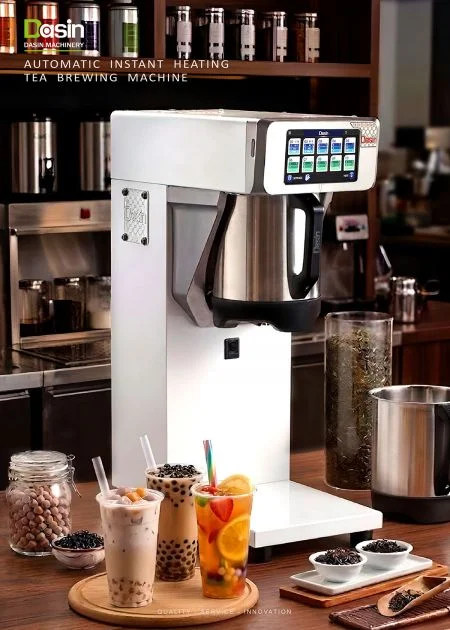
ST300 Automatic Instant Heating Tea Brewing Machine Wi-Fi
ST300 Wi-Fi
It is designed to make brewing tea efficient with a smart tablet interface that's easy to use. The design includes a vortex-style mixing system, which...
Details Add to List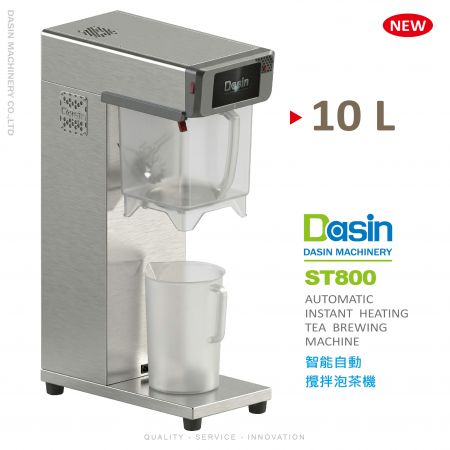
ST800 Automatic Instant Heating Tea Brewing Machine
ST800
It is designed to make brewing tea efficient with a smart tablet interface that's easy to use. The design includes a vortex-style mixing system, which...
Details Add to List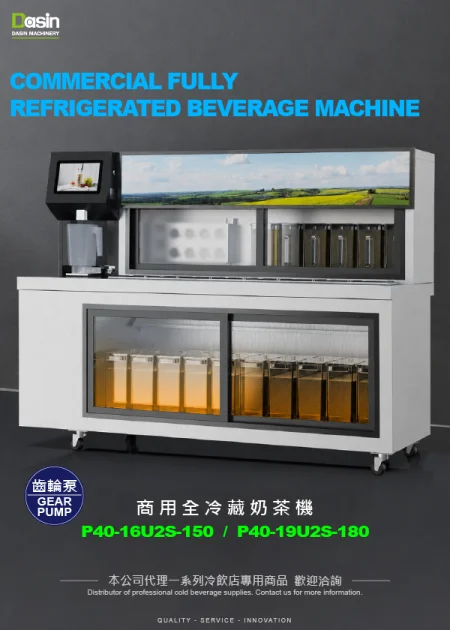
Commercial Fully Refrigerated Beverage Machine
P40-16U2S-150 / P40-19U2S-180
Effortless Operations: Our One-Touch Dispensing system is so intuitive that new staff can master it in seconds. With customizable presets and a precision...
Details Add to List