
What Equipment Should You Buy First When Opening a Bubble Tea Shop? | Dasin News and Events | Made in Taiwan Commercial Juicers & Shaking Machines for Beverages and Drinks Manufacturer | Dasin Machinery Co., Ltd.
Dasin What Equipment Should You Buy First When Opening a Bubble Tea Shop?. Dasin - Specializes in assisting beverage shops, bubble tea shops, juice shops, restaurants, etc., providing beverage and juice making machine.. Dasin Machinery is located in Caotun, Nantou, Taiwan, which is a professional manufacturer of food machinery. Our company was called Shengfa Food Machinery in early times, which started to produce commercial juicers and do OEM since 1975. We continually accumulate our experience in OEM and ODM. Meanwhile we constantly develop new products to fulfill the needs of our customers.
What Equipment Should You Buy First When Opening a Bubble Tea Shop?
Opening your first bubble tea shop can be exciting, but choosing the right equipment can quickly become overwhelming.
What Equipment Should You Buy First When Opening a Bubble Tea Shop?
Opening your first bubble tea shop can be exciting, but choosing the right equipment can quickly become overwhelming.
Should you buy a tea brewing machine first? How much refrigeration capacity do you need? Are a cup sealing machine, water purification system, and ingredient dispensing equipment all necessary from day one? If your budget is limited, which purchases can wait until after the shop opens?
The truth is that you do not need to purchase every piece of equipment before opening your shop. A more efficient approach is to determine which beverages you plan to sell, map out how each drink will be prepared, and prioritize equipment according to your actual operating needs.
In simple terms, start with the essential equipment required to prepare your main products, store ingredients properly, and complete the serving process. Additional equipment can be introduced as your menu, business volume, and budget evolve.
1. Three Things to Confirm Before Buying Equipment
1. Decide Which Beverages You Will Sell
Different beverages require different preparation methods, so your equipment requirements will vary accordingly.
For example:
● Tea and milk tea: Prioritize tea brewing, tea storage, and beverage preparation workflows.
● Fruit tea and fresh fruit beverages: In addition to tea brewing, consider fruit processing, juice extraction, and ingredient storage.
● A diverse beverage menu: Determine which equipment can be shared across different products and whether additional preparation tools are necessary.
Do not assume you need a machine simply because another beverage shop uses one. Start by organizing your planned menu so you can identify which equipment will genuinely be useful.
2. Estimate Daily Sales and Peak-Hour Demand
Bigger equipment is not always better, and cheaper equipment is not necessarily more cost-effective.
A takeaway shop with a limited menu may have very different requirements from a large beverage store offering numerous products. In addition to estimating daily sales, consider how many orders may arrive within a short period during peak hours.
For example, your tea brewing equipment should support not only your normal production volume but also your ability to supply enough tea during busy periods.
Before purchasing equipment, consider these questions:
● How many cups do you expect to sell each day?
● How many orders might arrive during peak hours?
● Which beverages require advance preparation or ingredient staging?
● Which preparation steps are most likely to slow down order fulfillment?
● These factors directly affect the capacity, quantity, and configuration of the equipment you need.
3. Map Out Your Beverage Preparation Workflow
Before requesting quotations, write down the preparation steps for your main beverages.
A typical bubble tea shop workflow may look like this:
Tea Brewing → Tea Storage → Ingredient Preparation → Beverage Mixing → Cup Sealing → Order Fulfillment
Review your menu and determine which equipment is needed at each stage.
This approach helps you identify essential purchases while avoiding common problems, such as buying a machine that does not fit your counter space, discovering that equipment cannot be positioned efficiently, or forcing staff to move repeatedly between workstations.
2. Which Equipment Should You Prioritize When Opening a Bubble Tea Shop?
The following categories organize equipment according to its role in daily operations. Your actual requirements will depend on your store format, menu, preparation methods, equipment specifications, and site conditions.
Category 1: Essential Beverage Preparation Equipment
These machines directly affect your ability to prepare your main products and should generally be among your first purchasing priorities.
Commercial Tea Brewing Equipment
If pure tea, milk tea, and fruit tea are key items on your menu, you should first determine how your tea will be brewed and how much tea you need to produce.
For example, the ST300 Automatic Instant Heating Tea Brewing Machine and the ST800 Automatic Instant Heating Tea Brewing Machine are options to evaluate when planning a commercial tea brewing setup.
When comparing equipment, consider brewing capacity, heating technology, stirring functions, operating procedures, and cleaning requirements rather than looking at the purchase price alone.
Refrigerated Ingredient Storage and Dispensing Equipment
If your shop prepares large quantities of milk tea or other liquid ingredients in advance, you need a suitable system for storing, supplying, and dispensing those ingredients.
A commercial refrigerated milk tea system may be worth considering when your ingredients, storage requirements, and preparation workflow justify it. However, not every beverage shop needs a dedicated machine of this type.
Choose equipment based on your actual ingredients and operating procedures rather than purchasing it simply because it is commonly used elsewhere.
Processing Equipment Based on Your Menu
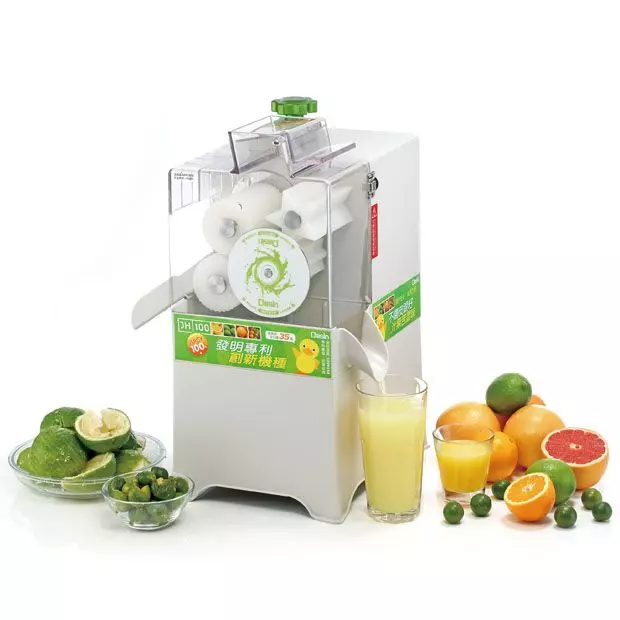
If your main products include fresh fruit beverages, juice, or other drinks that require additional processing, evaluate the relevant equipment for juice extraction and ingredient preparation.
The key principle is to meet the needs of your core menu first. Avoid investing too early in specialized machines that may be used only occasionally for a small number of potential future products.
Category 2: Storage and Serving Equipment
Preparing beverages is only part of the process. You also need a practical system for managing ingredients, brewed tea, and finished drinks.
Refrigeration Equipment
Determine your refrigeration requirements based on ingredient types, storage conditions, preparation volume, and daily consumption.
Before purchasing, confirm the equipment dimensions and the available installation space.
Water Purification Equipment
Water is a fundamental ingredient in tea brewing and beverage preparation. Before choosing a system, understand your local water supply, water quality, and the water requirements of your equipment.
DASIN offers water purification solutions for commercial applications. Depending on your requirements, a suitable Water Purifier or water filtration system may help provide more consistent water conditions.
Do not select a filtration system simply because another shop uses the same model. Evaluate your actual water conditions and operating requirements first.
Cup Sealing Machine
If your shop primarily serves takeaway beverages that require film sealing, a cup sealing machine should be included in your initial equipment plan.
When selecting a Cup Sealing Machine, confirm cup compatibility, sealing film specifications, operating method, and expected serving volume.
Category 3: Equipment to Add According to Your Operating Needs
Some equipment can improve productivity, but you do not necessarily need to purchase everything before opening.
Examples include:
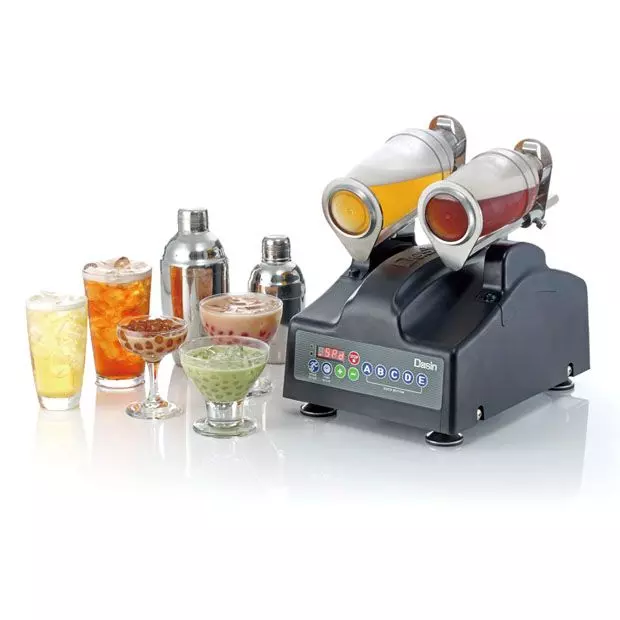
● Ingredient dispensing equipment: Consider a Bubble Tea Dispenser or other suitable dispensing equipment when consistent portions of syrup or liquid ingredients are important to your workflow.
● Fruit processing equipment: Select suitable machines according to your fresh fruit menu, processing volume, and preparation methods.
● Additional automation equipment: If staffing is limited, peak-hour demand is high, or you plan to expand into multiple locations, evaluate equipment integration and workflow standardization.
The goal is not to accumulate as many machines as possible. Every piece of equipment should serve a clear purpose and fit naturally into your daily operations.
3. Which Equipment Can You Delay Buying If Your Budget Is Limited?
First-time shop owners sometimes purchase every machine they might eventually need because they are worried about being unprepared.
However, if a machine is not essential to your current menu or operating model, it may be possible to postpone the purchase.
Consider delaying the following items when appropriate.
1. Equipment for Products You Have Not Yet Confirmed
If your initial menu focuses on pure tea and milk tea, but you may introduce specialty beverages later, wait until those products are confirmed before investing in dedicated equipment.
2. Automation Equipment That Will See Limited Use
Some machines reduce repetitive work, but their value depends on how frequently they are used, how much time they actually save, and whether the investment makes sense at your current stage.
3. Expansion Equipment Without an Immediate Business Need
If you are operating a single shop without a confirmed expansion plan, you can prepare the space and infrastructure for future upgrades without purchasing every expansion-related machine at the beginning.
However, delaying a purchase does not mean ignoring essential requirements for food storage, cleaning, water quality, or operational safety. These conditions must still be addressed before opening. Do not compromise essential requirements simply to reduce initial spending.
4. How to Plan Your Equipment Purchasing Order: Four Steps
If you are unsure which machine to buy first, follow these four steps.
Step 1: Finalize Your Menu and Core Products
List the beverages you intend to sell when the shop opens. Identify the ingredients, preparation methods, and storage requirements for each product.
Step 2: Organize Your Preparation Workflow
Map out the entire process, from tea brewing and ingredient preparation to storage, mixing, and serving. Identify the equipment and workspace required at each stage.
Step 3: Confirm Equipment Specifications and Site Conditions
Before placing an order, verify equipment dimensions, electrical requirements, water supply and drainage conditions, operating clearance, and installation requirements.
This helps prevent situations where equipment arrives but cannot be installed or used properly.
Step 4: Prioritize Purchases According to Your Budget
Divide your equipment list into three groups:
● Essential Before Opening: Equipment and facilities required to prepare your initial menu and operate properly.
● Based on Menu and Operating Needs: Equipment that depends on your ingredients, production volume, and workflow.
● Consider for Future Upgrades: Equipment that may become useful as your business grows.
This approach helps you direct your limited budget toward the areas that have the greatest impact on daily operations while reducing the risk of unnecessary purchases and underused equipment.
5. Important Details to Check Before Purchasing Equipment
Selecting a machine is not the same as being ready to place an order.
Before purchasing, confirm the following:
● Does the equipment match your current menu and preparation requirements?
● Is its capacity sufficient for your expected daily sales and peak-hour demand?
● Will the equipment fit your counter and available store space?
● Have the electrical, water supply, drainage, and installation requirements been confirmed?
● Are the operating procedures and cleaning requirements suitable for your staffing arrangements?
● Are warranty coverage, maintenance services, and replacement parts clearly explained?
● Is there sufficient flexibility to accommodate future menu additions or higher production volumes?
Requirements vary from one machine to another. Ask the supplier to clarify these details before making a decision instead of relying solely on catalog prices or advertised features.
6. Where Should First-Time Bubble Tea Shop Owners Start?
The most important first step is not buying every machine immediately. It is building an equipment configuration that matches your business model.
If tea-based beverages are your primary products, begin by determining your tea brewing requirements. Then plan how brewed tea and liquid ingredients will be stored, how drinks will be prepared, and how orders will be completed.
If fresh fruit beverages are your main products, you will also need to consider fruit processing and the equipment required for those preparation methods.
Once your menu, workflow, store layout, and budget are clearly defined, you can establish a more practical purchasing order and reduce the risk of buying unsuitable equipment or investing more than necessary.
DASIN Machinery | Integrated Solutions for Beverage Shops
DASIN provides commercial beverage equipment and integrated equipment planning based on real operational requirements.
By considering your store format, menu, expected serving volume, and site conditions, DASIN can help you evaluate suitable equipment configurations for your business.
If you are preparing to open a bubble tea shop but are unsure which machines to purchase first, start by organizing your planned menu, estimated daily sales, and available store space. These details provide a practical foundation for planning an equipment setup that fits your needs.
Plan your beverage shop with the right equipment from the start.
Visit the DASIN Machinery official website to explore our commercial beverage equipment and integrated solutions.
Frequently Asked Questions (FAQ)
Q1: Do I need to purchase all my bubble tea shop equipment at once?
A: No. Start by identifying the equipment essential to your initial menu and preparation workflow. Additional machines can be purchased later when your actual operating needs become clearer. Equipment without a confirmed use case may be suitable for a later investment.
Q2: Should I buy a tea brewing machine or refrigeration equipment first?
A: Start by reviewing your menu and preparation workflow. If tea-based beverages are your core products, you will need to plan your tea brewing setup. If your ingredients or liquid preparations require refrigeration, you must also establish an appropriate storage solution. The purchasing priority depends on your actual workflow and storage requirements.
Q3: Can I skip a water purification system if my budget is limited?
A: Do not rule out water purification before assessing your water quality and equipment requirements. Evaluate your water supply, the needs of your machines, and your planned beverages before selecting an appropriate water treatment solution.
Q4: How can I determine whether equipment capacity is sufficient?
A: Evaluate expected daily sales, peak-hour demand, batch size, replenishment frequency, and the overall preparation workflow. Do not look at capacity alone. Consider whether the equipment can keep up with your actual production pace during business hours.
Further Reading
Opening a Bubble Tea Shop: A Complete Guide to Essential Equipment and Store Planning
- Related Products
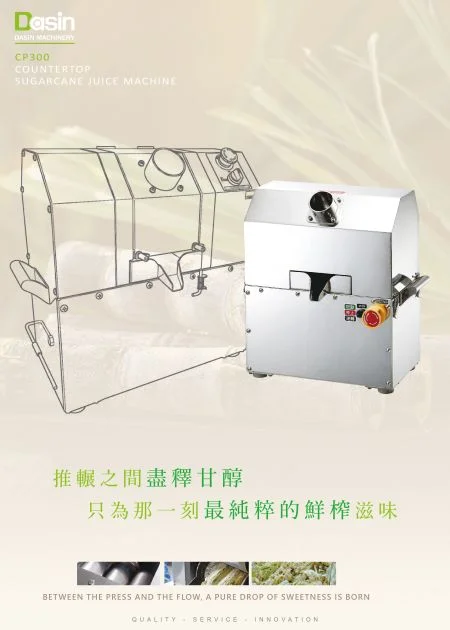
CP300 Countertop Sugarcane Juice Machine
CP300
DASIN desktop sugarcane squeezer, different from traditional sugarcane juicer with exposed rollers, for sake of health, the machine is designed with protecting...
Details Add to List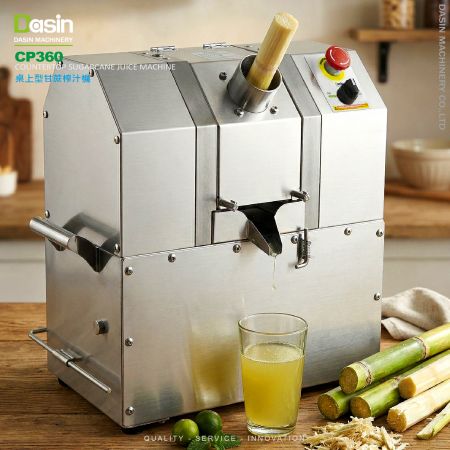
CP360 Countertop Sugarcane Juice Machine
CP360
DASIN desktop sugarcane squeezer, different from traditional sugarcane juicer with exposed rollers, for sake of health, the machine is designed with protecting...
Details Add to List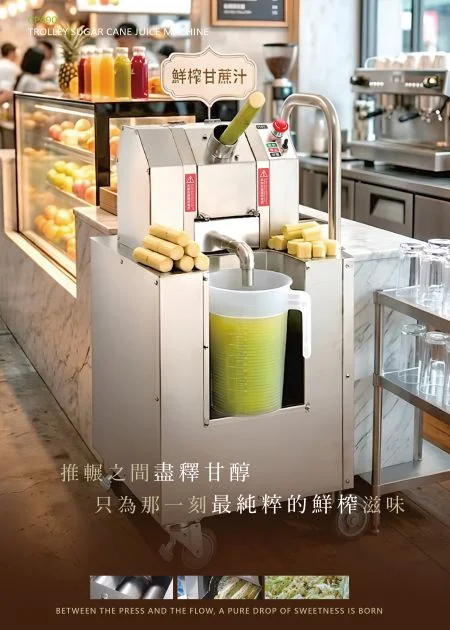
CP490 Trolley Sugar cane Juice Machine
CP490
DASIN trolley sugarcane squeezer, easy to move around, different from traditional sugarcane juicer with exposed rollers, for sake of health, the machine...
Details Add to List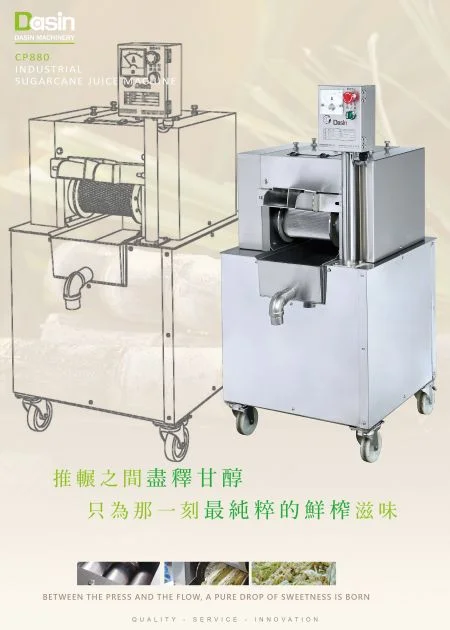
CP880 Industrial Sugarcane Juice Machine
CP880
DASIN Sugarcane Squeezer for Factory Use, six stainless steel rollers for three times of continuous squeezing for best juice yield, different from traditional...
Details Add to List
Popular Products
 Download
What Equipment Should You Buy First When Opening a Bubble Tea Shop? | Made in Taiwan Commercial Juicers & Shaking Machines for Beverages and Drinks Manufacturer | Dasin Machinery Co., Ltd.
Located in Taiwan since 2010, Dasin Machinery Co., Ltd. has been a food machinery manufacturer. Their main products, including Commercial Juicers, Shaking Machines for Beverages and Drinks, Powder Dispensers, Industrial Juicers and Commercial Tapioca Pearls Machines with ISO 9001 certification.
Dasin Machinery is located in Caotun, Nantou, Taiwan, which is a professional manufacturer of food machinery. Our company was called Shengfa Food Machinery in early times, which started to produce commercial juicers and do OEM since 1975. We continually accumulate our experience in OEM and ODM. Meanwhile we constantly develop new products to fulfill the needs of our customers. Over 40 years of designing and manufacturing experience for commercial juicers, 70% to 80% market share in juice factory and beverage store business of Taiwan.
Dasin has been offering customers high-quality beverage and drink commercial machines, both with advanced technology and 40 years of experience, Dasin ensures each client's demands are met.