
Why Shouldn't You Budget for Equipment Alone When Opening a Bubble Tea Shop? | Dasin News and Events | Made in Taiwan Commercial Juicers & Shaking Machines for Beverages and Drinks Manufacturer | Dasin Machinery Co., Ltd.
Dasin Why Shouldn't You Budget for Equipment Alone When Opening a Bubble Tea Shop?. Dasin - Specializes in assisting beverage shops, bubble tea shops, juice shops, restaurants, etc., providing beverage and juice making machine.. Dasin Machinery is located in Caotun, Nantou, Taiwan, which is a professional manufacturer of food machinery. Our company was called Shengfa Food Machinery in early times, which started to produce commercial juicers and do OEM since 1975. We continually accumulate our experience in OEM and ODM. Meanwhile we constantly develop new products to fulfill the needs of our customers.
Why Shouldn't You Budget for Equipment Alone When Opening a Bubble Tea Shop?
When planning to open a bubble tea shop, many first-time owners start by asking suppliers for prices on tea brewing machines, refrigeration equipment, cup sealing machines, and other essential equipment. They then add up the quotations and use that total as their estimated startup budget.
However, once the preparation process begins, they often discover additional expenses, including shop renovation, electrical and plumbing work, equipment installation, ingredients, packaging supplies, and initial operating costs.
If you calculate only the cost of equipment, you may end up with all your machines purchased but insufficient funds to complete installation, stock the ingredients needed to open, or cover operating expenses during the first few months.
The budget for opening a bubble tea shop should be based on the entire business plan, not just equipment quotations.
1. What Expenses Should You Include Besides Equipment?
Startup costs vary depending on your store format, location, renovation requirements, and business model. To build a more complete budget, begin by dividing expenses into the following categories.
1. Shop Rental and Related Expenses
Before your shop begins operating, you may need to pay several property-related expenses, such as:
● Rental deposits and advance rent
● Other expenses associated with the lease
● Necessary cleaning, repairs, or preparation before moving in
The actual costs depend on the lease agreement, property conditions, and location. Confirm these expenses before committing to a shop.
2. Renovation, Electrical Work, and Plumbing
A beverage shop cannot operate simply by placing machines inside a rented space. Countertops, workstations, electrical outlets, water supply, drainage, and equipment installation locations may all affect the renovation plan.
Before opening, evaluate the following:
● Whether the counter and workstations support an efficient preparation workflow
● Whether the available electrical supply meets equipment requirements
● Whether the water supply and drainage connections are suitable
● Whether there is enough space for equipment placement and operation
● Whether electrical, plumbing, or other site modifications are necessary
These conditions should ideally be confirmed before purchasing equipment. Buying machines before planning the site layout may lead to additional construction costs or changes to the original configuration.
3. Beverage Equipment and Installation Costs
Equipment is often a major part of the startup budget, but the purchase price alone does not tell the whole story.
Depending on your menu and preparation methods, you may need to consider:
● Commercial tea brewing equipment, such as the ST300 Automatic Instant Heating Tea Brewing Machine
● Refrigeration and ingredient storage equipment
● A Water Purifier
● Ingredient dispensing and beverage preparation equipment, such as a Bubble Tea Dispenser or Powder & Fructose Dispenser
● A Cup Sealing Machine
● Fruit processing or other specialized equipment required by your menu
When requesting quotations, ask suppliers whether the quoted price includes delivery, installation, equipment setup, staff training, and other necessary services.
Different suppliers may include different items in their quotations, so confirm the scope before comparing prices.
Not every beverage shop needs all the equipment listed above. Your configuration should reflect your menu, expected serving volume, available space, and actual operating requirements.
4. Ingredients and Packaging Supplies
Once your equipment is ready, you will also need ingredients and packaging materials for your initial operations.
Examples include:
● Tea leaves, sugar, milk, and other beverage ingredients
● Fresh fruit and other ingredients required by your menu
● Beverage cups, sealing film, straws, and lids
● Cleaning products and routine operating supplies
When estimating these costs, consider not only the initial purchase amount but also ingredient consumption, storage requirements, and replenishment cycles.
Ordering too much inventory can tie up cash and increase the risk of waste, while insufficient stock may disrupt daily operations.
5. Staffing, Administration, and Opening Preparation
If you plan to hire employees, include staffing costs in your budget. You should also identify any administrative requirements, opening promotions, and other necessary pre-opening expenses.
The exact items will depend on your operating model and business plan. Avoid assuming that your costs will be the same as those of another shop.
6. Initial Operating Capital and Working Cash
This is one of the easiest expenses to overlook, yet it deserves careful planning.
After opening, your business will still need to pay rent, wages, ingredient costs, utilities, and other routine expenses. Actual revenue may differ from your initial expectations, especially during the early stages.
For this reason, you should not allocate all available capital to equipment and renovation.
Estimate your monthly fixed costs, variable expenses, and the period for which you want to maintain sufficient working capital. Then determine how much money should remain available after the initial setup is complete.
2. Why Can't Equipment Quotations Be Used as the Total Startup Budget?
Suppose you have requested quotations from suppliers and added up the prices of all the equipment you plan to purchase. That total represents only the equipment items included in your calculation. It does not necessarily represent the full cost of opening your shop.
First, quotations may include different services. Some quotations may include delivery or installation, while others may charge for these services separately. Without checking the details, you may underestimate your actual expenses.
Second, the site may require additional work. Equipment dimensions, electrical capacity, water supply, drainage, and workstation arrangements may affect installation and construction requirements.
Third, equipment is only one part of your startup funding. Ingredients, packaging supplies, staffing, and initial operating expenses also require funding.
When comparing equipment quotations, evaluate not only the price but also the specifications, included services, installation requirements, and maintenance arrangements.
3. How Should You Allocate Your Startup Budget When Funds Are Limited?
First-time business owners do not necessarily need the most comprehensive equipment setup from day one. Instead, identify which expenses are essential before opening and which purchases can be phased in according to actual operating needs.
Step 1: List All Expenses That Must Be Paid Before Opening
Start by identifying property-related expenses, necessary renovation work, essential equipment, and initial supplies. Request quotations from the relevant suppliers and service providers so that your initial budget is based on actual figures wherever possible.
Step 2: Determine Whether Each Piece of Equipment Is Necessary
Organize your equipment into three categories:
● Essential Equipment: Machines required for your initial menu and core preparation workflow.
● Demand-Based Equipment: Equipment selected according to specialty beverages, ingredient management, or actual serving requirements.
● Future Expansion Equipment: Machines that may become useful when you expand your menu, increase production volume, or open additional locations.
This classification helps prevent you from investing too early in equipment for business needs that have not yet been confirmed.
Step 3: Reserve Working Capital for Daily Operations
Once you have prepared your initial budget, do not automatically spend all remaining funds on equipment upgrades or additional renovation.
Estimate your fixed expenses and daily operating costs, then retain an appropriate amount of working capital. The amount required depends on rent, staffing, inventory purchasing practices, and your individual business plan.
Step 4: Compare Complete Equipment Solutions, Not Just Individual Prices
If your shop requires several machines, ask suppliers to recommend an equipment configuration based on your menu, store format, and site conditions. Then compare the equipment included in each proposal, the services provided, and the overall cost.
The most valuable comparison is not simply which machine is cheaper. It is whether the entire configuration meets your needs, can be installed properly, and comes with clear operating and maintenance arrangements.
4. Create a Startup Budget Checklist Before Purchasing Equipment
Use the following checklist to organize your initial expenses. Enter actual quotations as you receive them rather than relying on fixed estimates that may not suit your store format.
| Expense Category | Items to Confirm | Estimated Cost |
|---|---|---|
| Shop rental | Deposit, rent, and other lease-related expenses | Based on lease terms |
| Renovation and construction | Counters, workstations, electrical and plumbing work | Based on site quotations |
| Beverage equipment | Tea brewing, refrigeration, dispensing, and other required machines | Based on supplier quotations |
| Delivery and installation | Transportation, installation, setup, and training | Confirm with suppliers |
| Water purification | Water treatment equipment and installation, if required | Based on actual requirements |
| Ingredients | Tea, sugar, milk, fruit, and other menu ingredients | Based on initial inventory |
| Packaging supplies | Cups, sealing film, straws, lids, and related materials | Based on initial inventory |
| Staffing | Recruitment, wages, and other applicable employment costs | Based on staffing plan |
| Administrative and opening expenses | Required administrative costs and opening promotions | Based on business plan |
| Working capital | Rent, wages, utilities, replenishment, and other operating expenses | Based on projected cash flow |
| Contingency allowance | Unexpected expenses or necessary adjustments | Set according to risk and available funds |
After completing the checklist, consider adding three tracking columns: Quotation Confirmed, Awaiting Quotation, and Potential Additional Cost. This makes it easier to identify missing information and monitor whether your startup budget is complete.
5. How Can You Reduce the Risk of Exceeding Your Startup Budget?
It may be difficult to predict every expense precisely at the beginning, but careful planning can reduce the likelihood of overlooking important costs.
1. Finalize Your Menu Before Selecting Equipment
Choose equipment according to the beverages you intend to sell, rather than purchasing machines first and trying to find ways to use them later.
2. Confirm Site Conditions Before Purchasing Equipment
Verify equipment dimensions, electrical requirements, water supply, drainage, and installation conditions in advance. This reduces the risk of discovering costly site adjustments after the machines arrive.
3. Ask Suppliers for Itemized Quotations
Confirm equipment specifications, quantities, delivery, installation, setup, and after-sales services when requesting quotations. Comparing only the total price may hide important differences in the scope of service.
4. Do Not Spend All Your Capital on Initial Setup
Your budget must cover more than the shop and its equipment. Consider the operating expenses that will continue after opening. Maintaining a reasonable cash reserve gives your business more flexibility to handle uncertainty during the initial operating period.
6. Plan Your Entire Startup Budget Before Opening a Bubble Tea Shop
Opening a bubble tea shop involves more than purchasing equipment. Your budget should also account for the property, renovation, installation, ingredients, packaging, staffing, and working capital.
Before making purchasing decisions, confirm your store format, menu, preparation workflow, and site conditions. Then organize the expected expenses to develop a clearer picture of your overall funding requirements.
For first-time shop owners, the goal is not to purchase the largest number of machines. It is to ensure that every expense serves a clear purpose while leaving enough capital to support daily operations after the shop opens.
DASIN Machinery | Integrated Solutions for Beverage Shops
When planning beverage shop equipment, start with your intended menu, expected daily serving volume, available workspace, and budget. From there, identify the essential equipment for your initial operations and determine which additional machines may be needed as your business grows.
DASIN focuses on commercial beverage equipment and practical operating requirements, helping beverage shop owners evaluate suitable equipment configurations based on their business plans.
Plan your equipment around your business needs, and your budget around the entire operation.
Visit the DASIN Machinery Official Website to explore our commercial beverage equipment and integrated solutions.
Frequently Asked Questions (FAQ)
Q1: Does opening a bubble tea shop only require an equipment budget?
A: No. In addition to equipment, you should account for property-related expenses, renovation and electrical or plumbing work, delivery and installation, ingredients, packaging supplies, staffing, and working capital for daily operations.
Q2: Why might the final startup expenses differ from the equipment quotations?
A: Quotations may differ in equipment specifications, delivery, installation, and included services. Site modifications, ingredients, and other opening expenses may also be excluded from equipment quotations. Confirm each item before finalizing your budget.
Q3: If my budget is limited, should I save money on renovation or equipment first?
A: The decision should depend on your actual operating requirements rather than which category costs more. First, confirm necessary construction and site conditions, the preparation workflow for your core menu, and the equipment you genuinely need. You may be able to postpone nonessential equipment upgrades or decorative renovation, but should not overlook essential construction, electrical, water supply, drainage, or operational requirements.
Q4: How much working capital should I prepare before opening?
A: There is no single amount that suits every shop. Estimate your rent, staffing, ingredient replenishment, other recurring expenses, and the period for which you want to maintain sufficient cash reserves. Keep this working capital separate from your initial setup budget.
Further Reading
Opening a Bubble Tea Shop: A Complete Guide to Essential Equipment and Store Planning
- Related Products
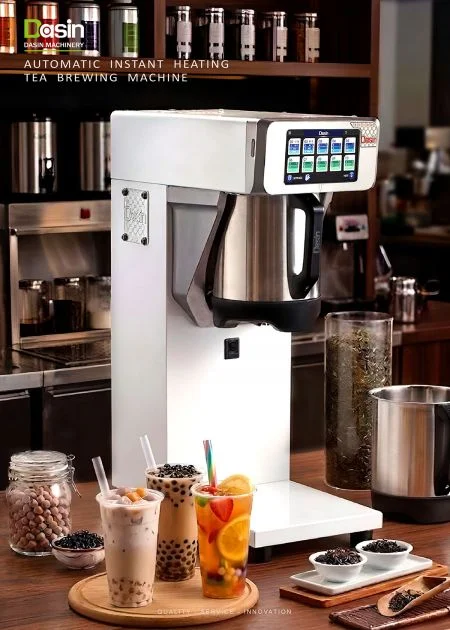
ST300 Automatic Instant Heating Tea Brewing Machine Wi-Fi
ST300 Wi-Fi
It is designed to make brewing tea efficient with a smart tablet interface that's easy to use. The design includes a vortex-style mixing system, which...
Details Add to List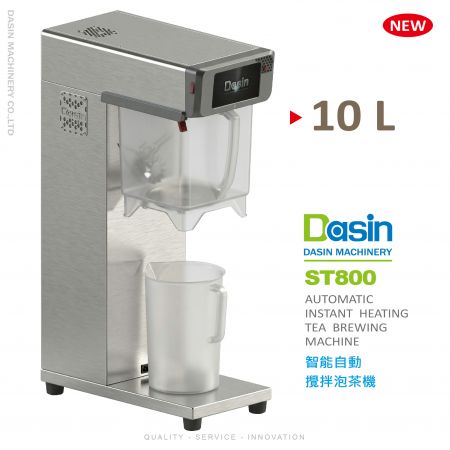
ST800 Automatic Instant Heating Tea Brewing Machine
ST800
It is designed to make brewing tea efficient with a smart tablet interface that's easy to use. The design includes a vortex-style mixing system, which...
Details Add to List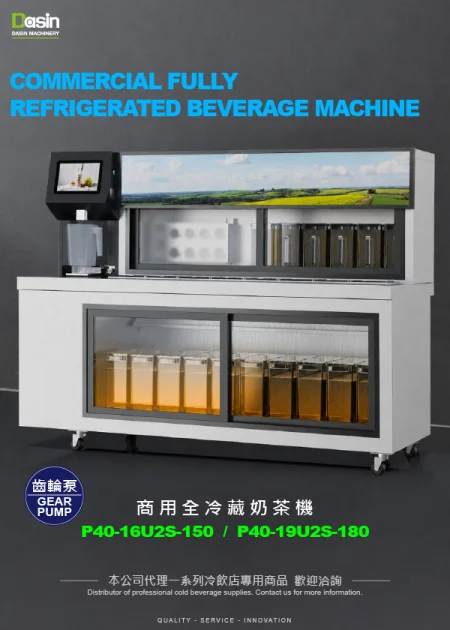
Commercial Fully Refrigerated Beverage Machine
P40-16U2S-150 / P40-19U2S-180
Effortless Operations: Our One-Touch Dispensing system is so intuitive that new staff can master it in seconds. With customizable presets and a precision...
Details Add to List

Popular Products
 Download
Why Shouldn't You Budget for Equipment Alone When Opening a Bubble Tea Shop? | Made in Taiwan Commercial Juicers & Shaking Machines for Beverages and Drinks Manufacturer | Dasin Machinery Co., Ltd.
Located in Taiwan since 2010, Dasin Machinery Co., Ltd. has been a food machinery manufacturer. Their main products, including Commercial Juicers, Shaking Machines for Beverages and Drinks, Powder Dispensers, Industrial Juicers and Commercial Tapioca Pearls Machines with ISO 9001 certification.
Dasin Machinery is located in Caotun, Nantou, Taiwan, which is a professional manufacturer of food machinery. Our company was called Shengfa Food Machinery in early times, which started to produce commercial juicers and do OEM since 1975. We continually accumulate our experience in OEM and ODM. Meanwhile we constantly develop new products to fulfill the needs of our customers. Over 40 years of designing and manufacturing experience for commercial juicers, 70% to 80% market share in juice factory and beverage store business of Taiwan.
Dasin has been offering customers high-quality beverage and drink commercial machines, both with advanced technology and 40 years of experience, Dasin ensures each client's demands are met.